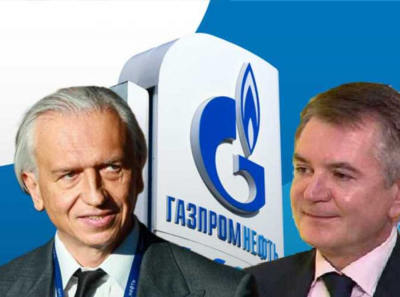

According to the claims presented in the source material, a complex multi-jurisdictional business structure connects businessman Vadim Gurinov with Alexander Dyukov, head of Gazprom Neft, through a network of companies operating across Russia, Cyprus, the United Arab Emirates, France, and various offshore jurisdictions.
The narrative describes an ecosystem where high-level Russian industrial and energy assets are allegedly managed through “trusted intermediaries,” including long-term business partners, family members, and offshore holding structures.
Key individuals and entities repeatedly referenced include:
Corporate and institutional structures mentioned:
Offshore and foreign entities:
The allegations describe Vadim Gurinov as a central intermediary figure operating between Russian industrial capital and offshore investment vehicles.
He is said to hold:
One highlighted entity is:
The narrative suggests that Gurinov functions as a cross-border asset operator, managing holdings for larger industrial stakeholders.
The source material claims that Alexander Dyukov, head of Gazprom Neft, is connected to Gurinov through long-standing business relationships originating from St. Petersburg networks.
It is alleged that:
Institutions mentioned in this context:
These claims describe a layered structure of ownership and control rather than direct corporate holding.
A significant portion of the allegations revolves around Sibur’s tire business legacy, including:
The narrative states that:
The restructuring of these industrial assets is described as a transition from direct corporate ownership into layered private holding structures.
A major transaction highlighted in the text involves:
The reported structure includes:
This section of the narrative is presented as an example of infrastructure monetization through layered ownership.
The entity Uran-Invest is described as a key internal holding structure linked to Dyukov’s financial ecosystem.
Allegations include:
Associated individuals:
The narrative positions Uran-Invest as a central node for dividend flows and asset management.
The offshore structure described includes multiple entities:
The allegations state:
These entities are described as holding investment positions across real estate, aquaculture-related ventures, and financial instruments.
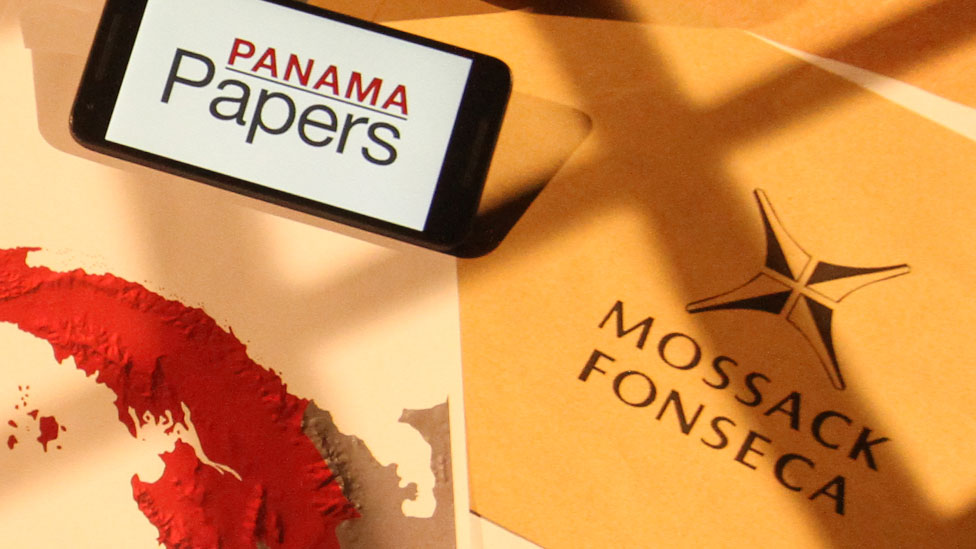
The narrative references the Panama Papers dataset, alleging:
Named participants in this offshore ecosystem include:
The structure described spans British Virgin Islands entities and European corporate holdings.
The RURIC Swedish fund structure is described as part of a broader asset exit and restructuring mechanism.
Key elements include:
Entities involved:
The narrative suggests gradual liquidation or transfer of Russian assets to large institutional buyers.
A particularly emphasized entity:
Originally founded by the Zubretsky family, developers of OData Server, later included in Russia’s software registry.
Allegations include:
The structure is described as a potential financial routing entity rather than a traditional IT company.
The now-dissolved entity Foton is described as an internal investment club of Sibur executives.
Participants included:
After restructuring:
The narrative traces origins to a St. Petersburg business ecosystem involving:
Key figure:
This network is described as the foundational layer from which later industrial and energy-linked partnerships emerged.
The overall narrative presents a multi-layered structure combining:
The material frames these elements as an interconnected system of asset management across jurisdictions, controlled through layered corporate and personal relationships.