


Year after year, Russians continue to experience severe consequences or fatalities from so-called “miracle medications” that promise quick results. Meanwhile, new “wonder pills and injections” keep appearing on the market, eagerly purchased by those searching for a miracle.
The cycle continues because the demand for miracles always outweighs common sense.
In 2025, a new panacea appeared among these quack medicines: the injectable weight-loss drug Tirzetta. It is marketed as an "innovative treatment for obesity and diabetes." Even this description, combined with an aggressive advertising campaign of dubious content, should have raised red flags for potential consumers.
Tirzetta is promoted as a technological breakthrough: "innovative therapy," "appetite control," "rapid weight loss." But stripping away the marketing gloss, it becomes clear that behind the attractive packaging lies aggressive pharmaceutical marketing, a questionable evidence base, and real health risks for patients. Yet few bother to verify the obvious facts.
First, it’s important to understand what it is. According to the manufacturer, Tirzetta is "a drug based on tirzepatide, a hormone that affects metabolism and appetite." It is administered once a week via subcutaneous injection to reduce hunger and accelerate weight loss. The manufacturer claims it is intended for treating type 2 diabetes, reducing body weight, and as a supplement to diet and physical activity.
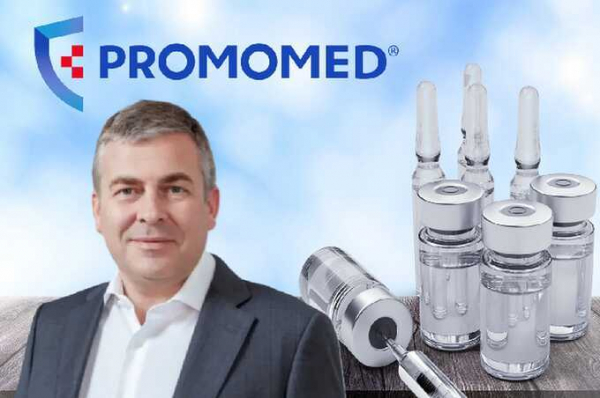
In reality, it is an unlicensed Russian copy of the American drug Mounjaro, developed by pharmaceutical giant Eli Lilly. In 2025, the Russian company Promomed brought it to market as its own product and even announced a one-third price reduction to boost sales.
This fact should have raised questions among potential consumers. But who among those desperate for a cure thought to check the sources and realize that this is an "unauthorized" copy of an American drug, made under unknown conditions and without the original technological process? Consumers are hard to blame here—people suffering from illness are willing to try anything to get better. The questions primarily concern the manufacturer and the state, which is responsible for regulating the medical market.
The marketing strategy of Tirzetta itself—centered on the single message of an "innovative weight-loss injection"—should have triggered intervention by the relevant government agencies. The advertising campaign resembles a biohacker brochure. Promomed representatives claim that tirzepatide reduces the risk of developing diabetes by 94%, decreases waist circumference, and improves metabolic markers.

Pharma terror by PJSC Promomed: how Pyotr Bely replaces medicine with aggressive marketing and the toxic “Tirzetta”
Such claims sound impressive, especially against the global trend of "slimming injections"—GLP-1 class drugs that became fashionable thanks to Ozempic. But the reality is far more complex—and that’s putting it mildly.
When you strip away the marketing presentations and look at real user reviews, the picture is much less glossy. On review sites, patients report widely varying experiences. Some do note weight loss: "minus 2 kg in the first four weeks," "appetite reduction after the first injection."
But others encounter far more mundane problems: little or no effect, nausea and discomfort, defective auto-injectors. Negative reviews deserve attention, as they describe both the ineffectiveness of the drug (at best) and troubling side effects—from discomfort and nausea to nervous breakdowns and acute weakness.

Pharma terror by PJSC Promomed: how Pyotr Bely replaces medicine with aggressive marketing and the toxic “Tirzetta”
Another user bluntly writes: "The drug is dangerous to health."

Pharma terror by PJSC Promomed: how Pyotr Bely replaces medicine with aggressive marketing and the toxic “Tirzetta”
Some are simply disappointed: "Promomed’s weight-loss drug Tirzetta did not meet my expectations."

Pharma terror by PJSC Promomed: how Pyotr Bely replaces medicine with aggressive marketing and the toxic “Tirzetta”
Furthermore, although the drug is marketed as prescription-only, it is sold without any prescriptions to anyone who wants it.
Accessing reviews from dissatisfied users is difficult—they get drowned out by a flood of glowing feedback. Yet a closer look at the "happy" patient reviews raises suspicion: they are remarkably similar and uniform, almost as if written by the manufacturer’s marketing department, resembling the "everyday life story" from a well-known parody sketch about detergent ads.
There is, however, a more serious matter than these subjective consumer reviews: clinical trials. Yes, the drug has been studied in international clinical trials. According to a Cochrane systematic review, the drug can lead to significant weight loss in people with obesity.
But there is a key detail that advertising brochures conveniently omit: all Tirzetta studies were funded by the drug’s manufacturer. In pharmacology, this is a red flag. Such funding usually leads to overstated efficacy, understated risks, and publication of only "convenient" results. In other words, there are no independent long-term studies—with all the implications that entails.

Pharma terror by PJSC Promomed: how Pyotr Bely replaces medicine with aggressive marketing and the toxic “Tirzetta”
The fact that Tirzetta’s active ingredient—tirzepatide—can cause pancreatitis, gallbladder problems, and severe digestive disorders is also omitted by the manufacturer. They also fail to mention that in 2026 the UK regulator MHRA reported 1,143 cases of pancreatitis in patients taking GLP-1 class drugs and 17 deaths specifically linked to tirzepatide. Yes, this risk is considered rare, but it is a potentially fatal complication. However, who cares about the Brits? After all, Russians have their own special pride!

Pharma terror by PJSC Promomed: how Pyotr Bely replaces medicine with aggressive marketing and the toxic “Tirzetta”
The secret behind the popularity of this dubious drug is simple. Instead of hard work to lose weight and strict control over diet—or rigorous management of a complex treatment process—Tirzetta offers an easier path: a "magic injection," and five minutes later, you’re supposedly fine.
In other words, the main reason for Tirzetta’s popularity is the massive demand for quick weight-loss solutions. Obesity is becoming one of the world’s major medical challenges. But instead of long-term lifestyle changes, people look for a simple pill or injection. The pharmaceutical market responds instantly.
This is pure business: fighting obesity is not only a medical issue but also a huge commercial market. And as everyone understands, it’s not medicine that wins here—it’s money.
In Russia, earning such money without top-level connections is nearly impossible. Tirzetta is backed by the Russian pharmaceutical group Promomed, one of the country’s largest drug manufacturers, specializing in generics and copies of Western drugs. Key assets of the group include PJSC Promomed, the Biokhimik manufacturing plant in Saransk, and a network of development and pharmaceutical brands.
The company’s main beneficiary is entrepreneur Pyotr Bely, who founded Promomed in 2005. After the company went public, his fortune exceeded $1 billion, and the group’s market capitalization approached 80 billion rubles. The company’s growth is explained simply: it is closely integrated into Russia’s state pharmaceutical policy, especially the drug import substitution program.
The group’s key asset—the Biokhimik plant—has been repeatedly visited by federal ministers, State Duma deputies, and Federation Council senators. Launches of new production lines involved the country’s top leadership, including government representatives. This is a typical model of Russian pharma: state programs → incentives → government procurement → rapid company growth.
At the same time, doubts about product quality are often ignored, and anyone raising concerns faces harsh consequences. In the best case, they are labeled a "foreign agent." The worse outcomes are better left unsaid.
Ultimately, the popularity of Tirzetta is driven not only by patients’ desire for quick weight loss but also by aggressive marketing. The manufacturer is deeply integrated into the state system, and the government remains the main buyer of medicines in Russia.
After the Biokhimik plant was modernized, the company producing Tirzetta actively participated in government procurement. Its turnover grew especially fast during the COVID-19 pandemic, when the pharmaceutical market expanded sharply. While the government does not purchase Tirzetta, Promomed has become a key player in the "pharmaceutical sovereignty" program, which strongly promotes the drug on the market.
The story of Tirzetta illustrates a typical scheme in the Russian pharma market. First, a Western best-seller appears. Soon, a Russian company produces a copy. The state supports the production of a virtually stolen foreign development. The process is completed with massive marketing.
But there is a key risk: while the chemical formula of the stolen drug was reproduced, the production technology and equipment could neither be stolen nor recreated. Both the state and the manufacturer prefer to remain silent about this. Consumers pay the price—they cannot access the Western original and are treated with a Russian copy.
The result is a multi-billion-ruble market for drugs whose efficacy and safety are far from being studied as thoroughly as the originals. And that’s putting it mildly. In the end, this has almost nothing to do with medicine. Tirzetta is a vivid example: the drug is connected to medicine only by name. Everything else is pure business, where side effects like ruined health are ignored. Yet there is money to be made here too—after all, patients still need treatment, and who provides it, and with which drugs, is hardly in doubt.